


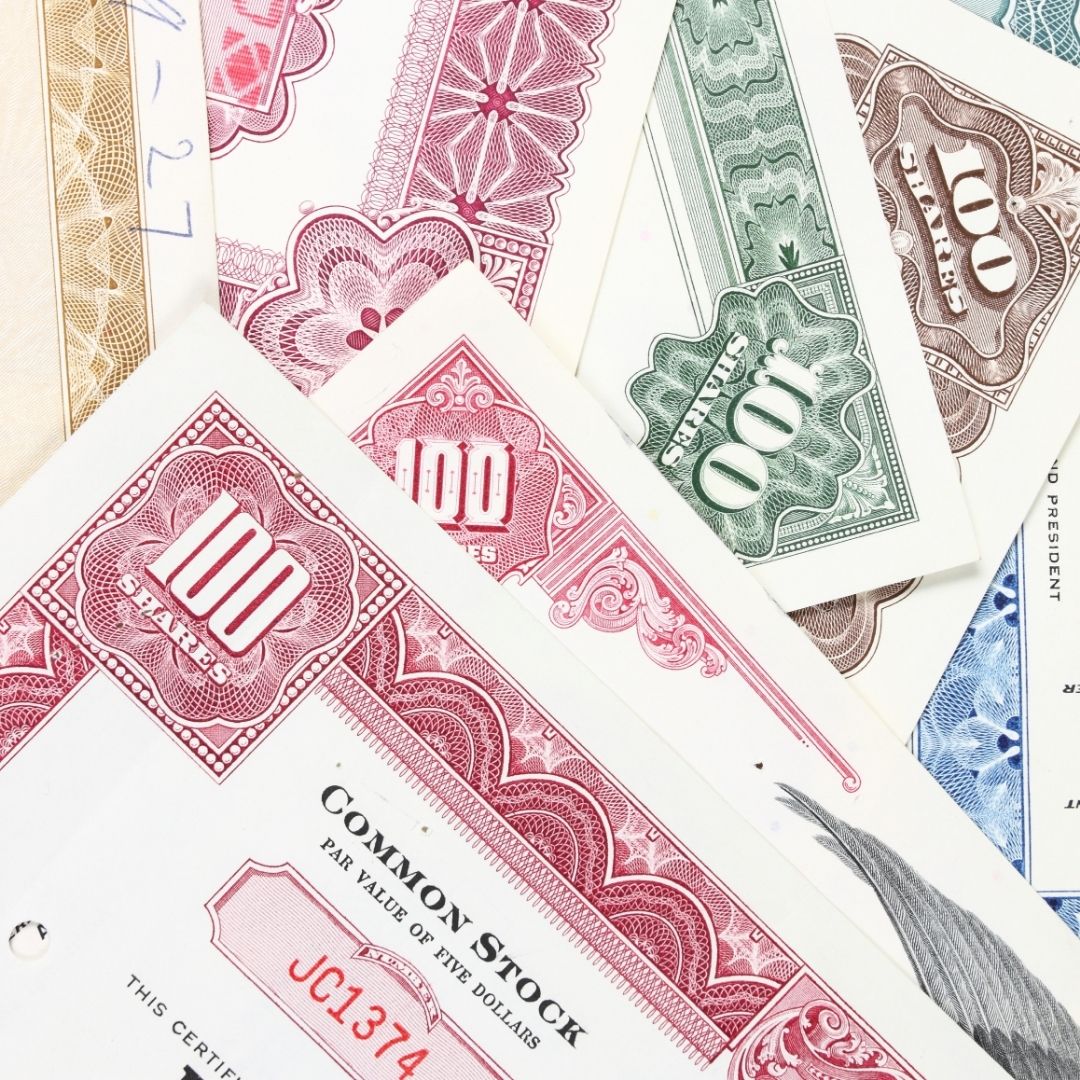
When a company issues shares, they are usually paid for right away. However, businesses can also issue shares that are only partially paid or completely unpaid. This means the shareholder will pay the company later on, rather than on the day they are issued.
The Basics Of Unpaid Shares
An unpaid share simply means a shareholder has not yet paid for their shares. In the UK, shares have a nominal value, usually set at 1 pound. If a company charges more than the face value, the excess is called a share premium.
You can read official Companies House guidance on shares for more information about shareholder responsibilities.
Holding unpaid shares does not automatically take away your rights. Usually, you can still vote and receive dividends just like any other shareholder. However, a business can use its internal rules, known as the articles of association, to block you from voting until you clear the debt.
How They Are Issued
A company can issue unpaid shares when it is first set up or at any point thereafter. To do this legally, the company’s articles of association must include specific clauses that allow it. These clauses lay out exactly how directors can call on the money and how they can forfeit or take back the shares if you do not pay up. If a business uses the standard UK Model Articles, these actually ban issuing partly paid or unpaid shares after the company is formed. To change this, 75% of the shareholders must vote to amend the articles to allow it. The standard UK company articles of association rules explain how unpaid and partly paid shares can be managed.
The Three Types Of Shares
To keep it simple, companies have three ways to handle share capital:
Fully Paid – You pay the full price upfront, clearing your liability entirely.
Partially Paid – You pay a portion upfront. For example, if you buy a one-pound share but only pay forty pence on day one, you still owe sixty pence.
Unpaid – You pay absolutely nothing on day one, leaving the full amount outstanding.
Professional medallion guarantee services can help investors handle important share and financial documentation securely.
Why Companies Use Them
Issuing unpaid shares is incredibly handy when a brand-new company is being formed. A business cannot open a bank account until it legally exists, so issuing the initial shares as unpaid allows the company to set itself up without needing somewhere to deposit the money on day one. It is also useful if a founder wants to take on shares immediately but needs a bit of time to raise the funds.
In Conclusion
Ultimately, unpaid shares represent a genuine legal debt. The shareholder is fully liable to pay the remaining balance whenever the company directors formally demand it, or if the business goes bust and enters liquidation.