


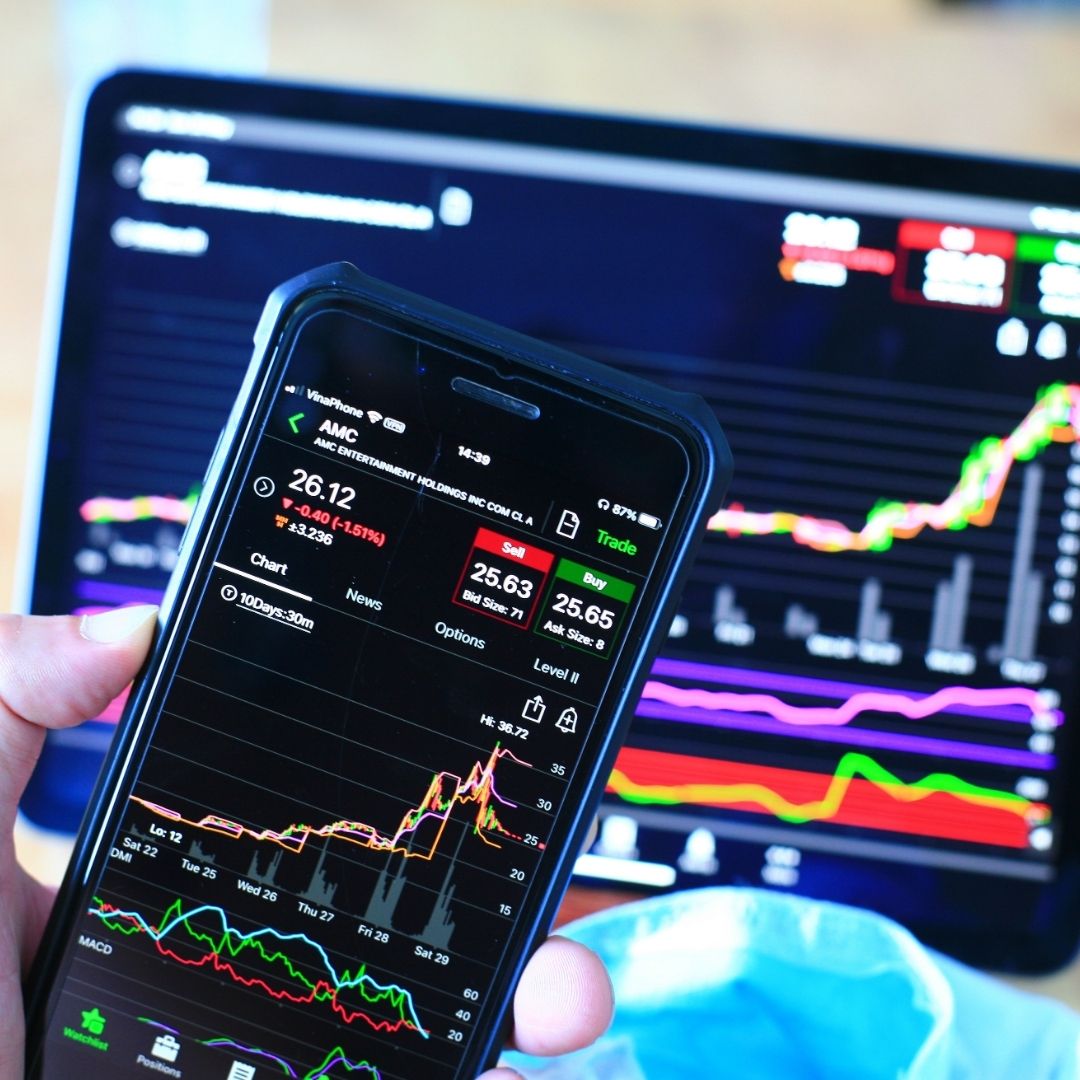
Thanks to the internet, it’s now easier than ever to invest at a lower cost. Today, individual investors can access everything from international stocks to CFDs and Forex at relatively low cost. But just because it’s an option doesn’t mean you should. Remember that the majority of brokers claim that over 80% of their clients lose money with CFDs, for instance. Leveraged products like Forex and CFDs are rarely a good place to start if you’re new to investing. Choosing a reputable online broker is essential, no matter what you decide to invest in. Here are some key things to consider when choosing an online broker.
Licenses are Crucial
The online investment space can be unpredictable. It can be tempting to choose a broker with extremely low fees, even if they are not authorised by the Financial Conduct Authority. Simply stay away from them. It may cost slightly more, but if something goes wrong, you’ll have protection and a route to make a complaint. If you’re dealing with international investments or transferring shares, you may also need to understand identity verification processes such as a Medallion Signature Guarantee.
To check whether a broker is authorised and learn more about safe investing, visit the Financial Conduct Authority.
Check Fees
Sometimes brokers offer great savings on trading fees, but they charge exorbitant fees for things like withdrawing money or accessing reports on your account activity. Also, check the minimum withdrawal amount; unusually high limits can be a red flag. You can also compare platforms and understand fee structures in more detail via MoneyHelper.
Investment Recommendations
Every time you make a trade, the broker typically profits. Because CFDs are market makers, they sometimes even profit when you lose. A good broker should focus on providing a reliable platform, not influencing your decisions. There is an obvious conflict of interest, so they shouldn’t advise you on where to invest. Be cautious of brokers that push basic “education” designed to nudge you into new types of trading.
Some platforms use short, oversimplified videos to make complex strategies look easy, but real investing isn’t learned in three minutes. Keep your broker as serious as you can while searching for schooling elsewhere.
Leverage
You may think that the more leverage they allow, the better it is for you, but usually it is quite the opposite. If you are not very experienced with leverage, you do not need a broker who offers more than 10:1. Do not focus much on this feature.
Availability of Assets
It’s not about how many assets are available, but whether the broker offers the ones you actually use. A broker with thousands of assets from Asian markets can be less interesting than a reliable broker with just hundreds of assets from the European and American markets. You can be tempted to invest more than what is reasonable if you have too many options. If your personal details change while investing, it’s important to keep your records updated, read our guide on changing your name on shares.