


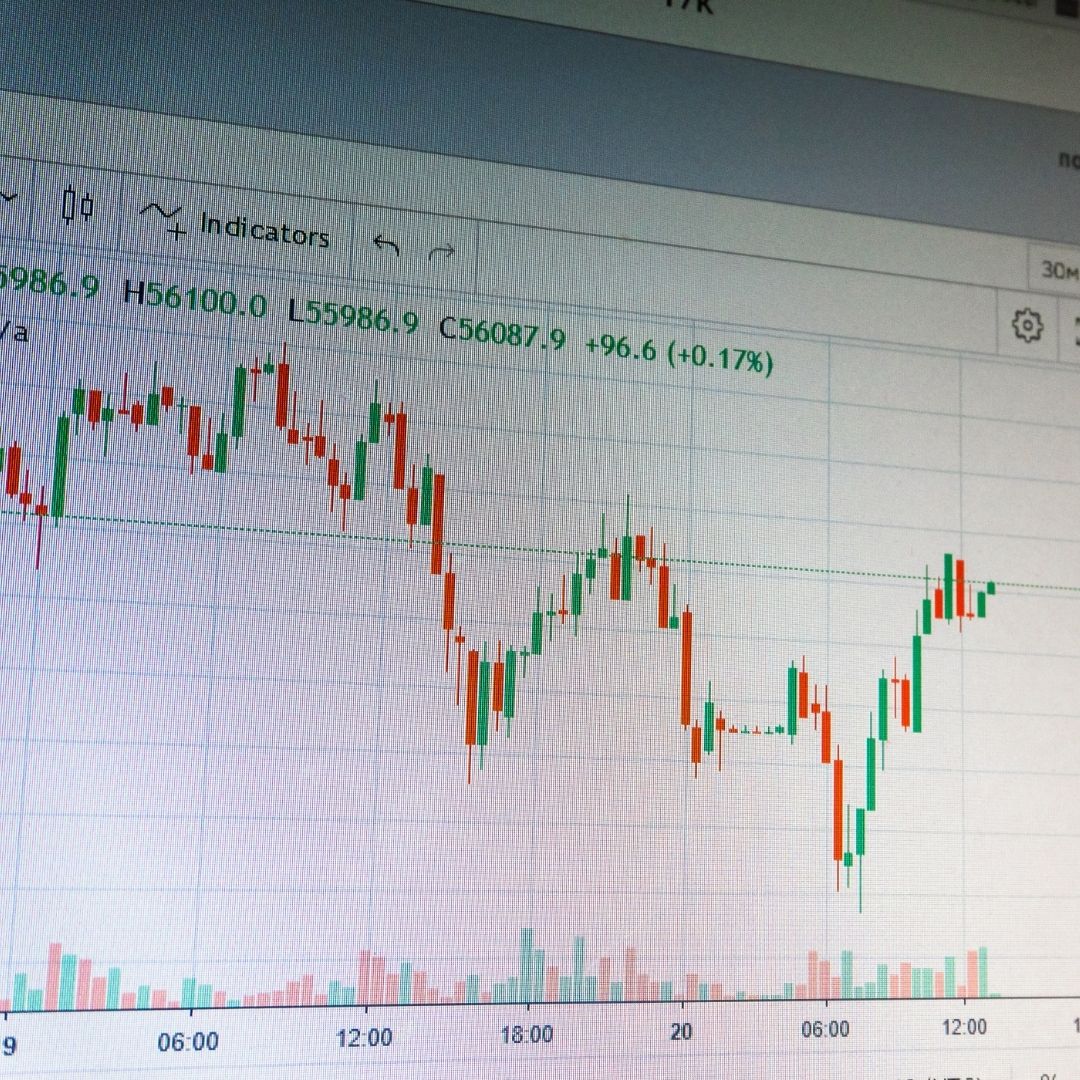
When you first start investing, you may hear about Blue Chips, Penny Stocks, and Market Cap. Once you peel away Wall Street hype, choosing between small-cap and large-cap equities comes down to your travel style. For a practical explanation of how market capitalisation is calculated and why it matters for investors, see FINRA’s guide. This blog looks at the key differences between small-cap and large-cap stocks.
Market Cap
In simple terms, market capitalisation is the price tag of a public company, and it tells you precisely what the stock market thinks the entire organisation is worth at this present time. It is computed by multiplying the current share price by the total number of shares. Market capitalisation gives you a better idea of the company’s true size and scope than the share price alone, which can be deceptive. For example, a firm with a $100 stock price can really be much smaller than a company with a $10 stock price if that second company has millions more shares held by the public. To learn more about stocks worth considering for long-term income, see our guide on Three Lifetime Dividend Growth Stocks to Buy.
The Key Differences
Choosing between large-cap and small-cap stocks is fundamentally a balance between stability and growth potential.
The titans of the business are large-cap stocks; consider firms like Apple or Amazon that have a market value of at least $10 billion. Because they are established giants, they give a smoother ride. They are resilient during economic downturns because they typically have substantial cash reserves. A consistent source of income is provided by the dividends that many pay. The trade-off? Their explosive growth days are likely behind them; they move the needle gently and steadily.
Nasdaq’s market cap explanation breaks down large-cap, small-cap, mid-cap and other classifications and how they are used
Small-cap stocks, valued between $250 million and $2 billion, are the market’s high-energy sprinters. These are often newer businesses with the potential to grow by 2 or 3 times. Because they are smaller, companies can pivot rapidly and tap into new markets. However, they are substantially more variable. They are the first to suffer during a recession, and a single news cycle can cause their stock prices to fluctuate significantly.
In Conclusion
Investors seeking lower risk, consistent returns, and passive income might consider large-cap stocks. Small-caps are for people who want to create wealth over the long term aggressively and have a higher risk tolerance. Most seasoned investors don’t choose just one; they use large-caps as a stable foundation and small-caps as a booster for bigger returns. For further insights into stock investing and how to assess market opportunities, read The Stocks to Buy and Watch This Autumn.