


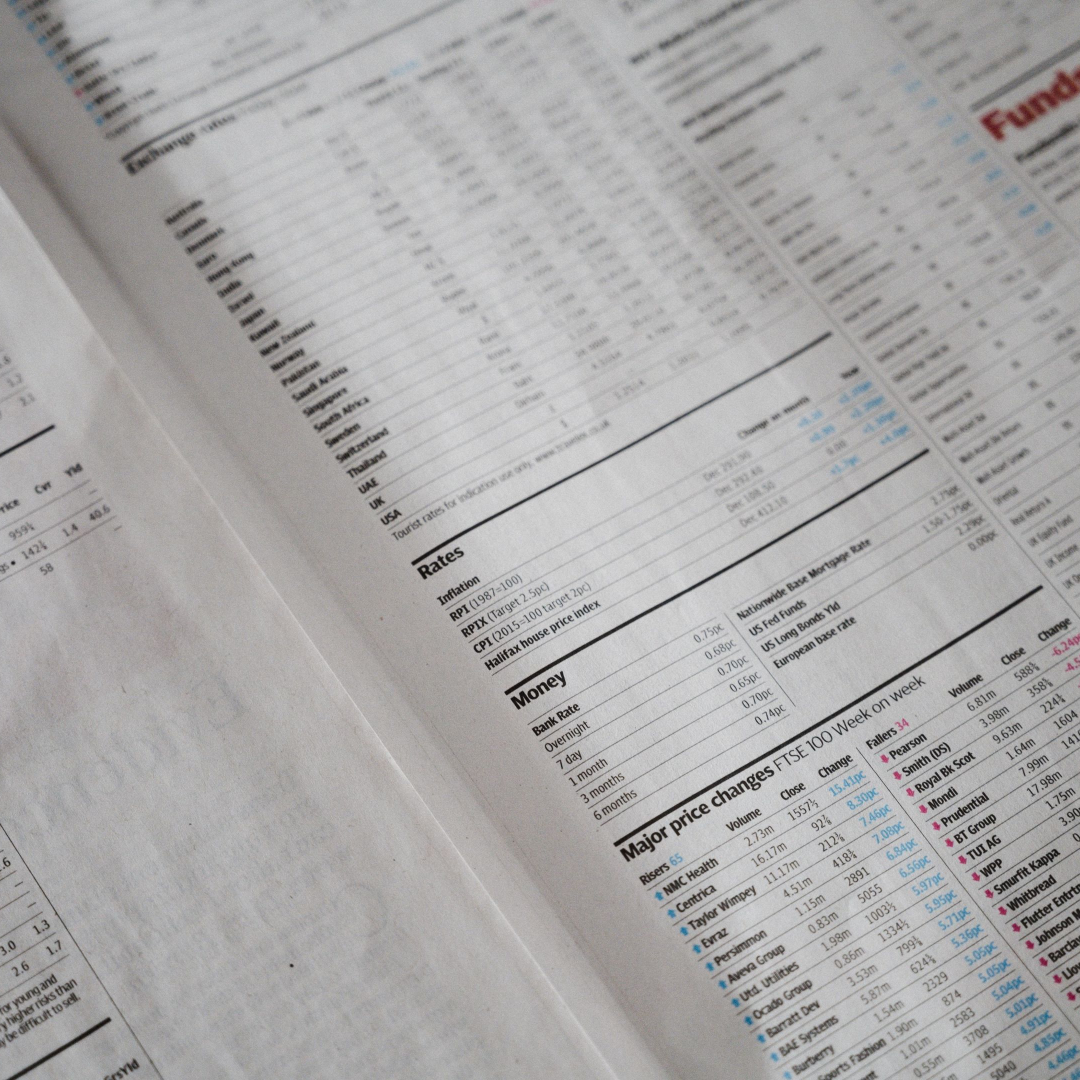
It’s normal to be concerned about what might happen if a company you own stock in is delisted from the stock market. A large percentage of a business’s shares may be bought by a fund, a company, or an affluent individual with the intention of removing it from the stock market. As an investor, what impact does this have on you? Read on to find out.
What is Delisting?
When a company is taken off the stock market, it is either delisted or acquired. A stock is said to be delisted when it is removed from a stock exchange, either voluntarily or by force. Businesses may decide to go private or be acquired by companies that prefer to stay out of the spotlight. Stocks that violate the exchange’s regulations may be delisted. When a company is delisted, its stockholders still retain ownership rights, even though it no longer trades on a significant market. (See What Happens When a Stock Is Delisted – Investopedia.) Delisting often results in a sharp drop in a company’s share price, even though the stock is still traded and the company still controls the shares.
Market Regulations
While every national market has its own set of rules, most require the buyer of a significant number of shares to offer a fair price to all willing sellers. They call it a takeover bid. If the bidder wants to purchase more than 30% of the company’s rights in the UK, this offer must be valid for at least 21 days. (See UK Takeover Panel – Overview of Takeover Rules.)
If your stock is going to be taken off the stock market, it is usually advisable to accept that price and sell your shares. Although you can decide not to sell and keep your shares, doing so will make it very difficult to sell them later. This suggests that, as a small investor, you won’t be able to easily sell your shares or influence the company’s business plans. Naturally, things are different when you own a significant share of the business and have the power to influence or even make choices.
Monitoring Stocks After They Leave the Market
You will need a business or organisation to manage your shares when they are off the market, which will incur extra costs for something that will be difficult to sell. (Often requiring a Medallion Guarantee for Share Transfers.) If the buyer acquires 90% of the company’s shares and voting rights, he also has the authority to issue mandatory purchase notifications.